
What should a home give back?

A regenr8 studio essay.
Some of my best childhood memories happened outside my home. Not because my home wasn't important, but because it was. It sat in the right place, surrounded by fields, woods, and open space, giving me the freedom to wander. I spent countless hours building forts, exploring nature, and disappearing into my imagination. The outdoors became what many now call a third place: somewhere beyond home and school where curiosity, creativity, and independence could grow.
Looking back, I realize the house itself was not creating those memories. It was creating the conditions for them.
Home was my launch point.

lingering in a prairie of wispy grass
gently flowing wind
teases my warm skin as the
hair of my arms dance
lazily reclined
hidden by the growth of nature
gazing through the translucent
blue sky
dreaming
transcending time
with a lightness of being
floating in and out of generations
past and present
hypnotically stalled in a trance
held by nature's quiet innocence
connected for life
I didn't understand it then, but I wasn't just escaping into nature. I was learning what it felt like to belong to a place. Long before I designed homes, I was discovering the conditions that made me feel alive.
Looking back, those afternoons shaped the question.
What should a home give back?
For most of us, a home is considered an investment. Eventually, every conversation about housing turns to numbers: square footage, construction costs, resale value, price per square foot. Those measurements matter, but they only tell part of the story. A home consumes many things: money, materials, energy, land, maintenance, and our time.
The more enduring question is what it gives back?
That question followed me through the Next House design competition, a national challenge with one deceptively simple requirement: design a home no larger than 1,500 square feet. The size limit wasn't what challenged me. What challenged me was something deeper: the competition asked me to design a home for people I would never meet.
As architects, our best work begins with understanding people. Before I draw a line, I want to know how someone wants to live, what restores them, what brings them joy, what helps them feel healthy, connected, and at peace. This competition removed that opportunity. Without a client, I found myself asking something else entirely: if I do not know the people, what principles should guide my decision?
Rather than designing around a hypothetical family, I designed around universal human needs. Every person deserves harmony, refuge, and belonging. Every home should invite natural light, connect us to nature, support wellbeing, adapt as life changes, and create opportunities for relationships to grow. Those principles became my client.
As the design progressed, another realization emerged. Even a wonderful home exists in relationship with its site and surroundings; it could never fulfill its promise if the place around it worked against the values it was designed to support. I couldn't imagine centering a home on belonging, health, connection to nature and relationships, only to place it in a conventional subdivision that separates people from one another while consuming more landscape than it restores.
So, I stopped thinking only about the house. I began thinking about the place.
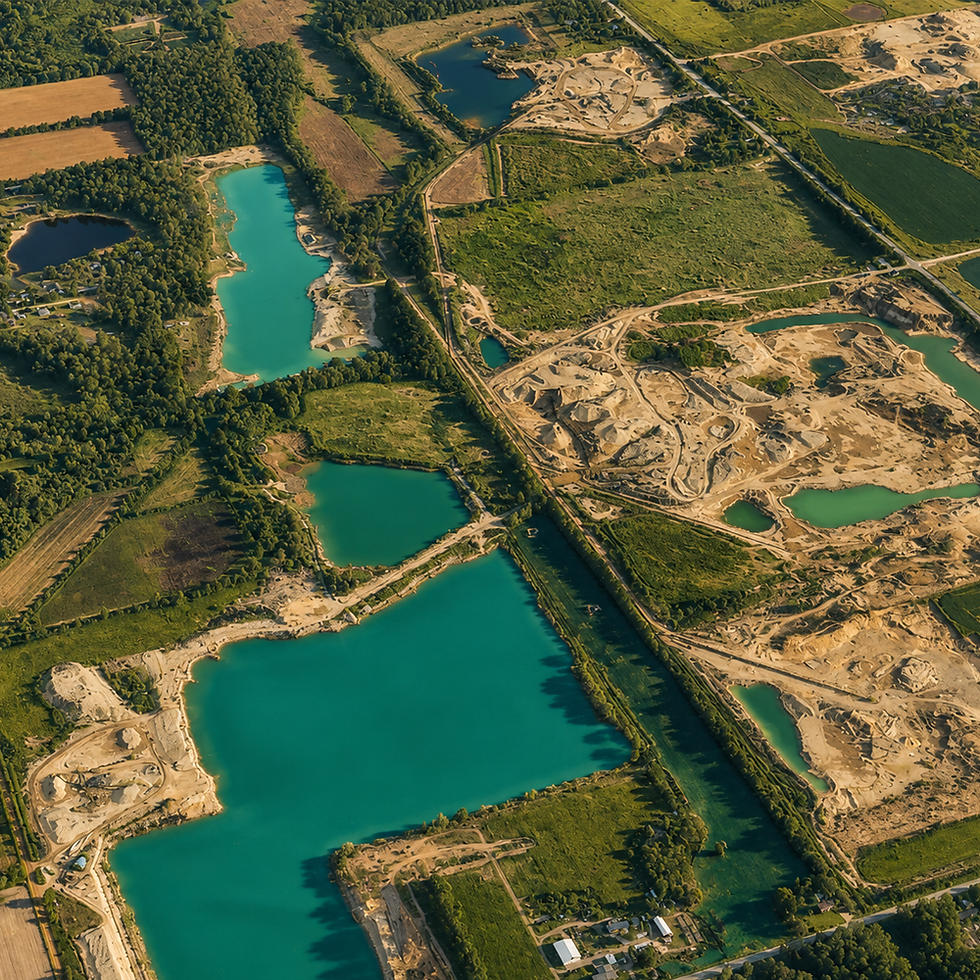
Rather than locating the project on untouched farmland, I imagined regenerating an abandoned gravel mine. The project became more than a house: an opportunity to restore land while creating a neighborhood organized around shared green space, walking paths, food production, renewable energy, and places where neighbors naturally encounter one another. The house became part of something larger.
This wasn't simply a design decision. It reflected something I've believed for much of my career: a home is never just a building. It is inseparable from the family it shelters, the land it occupies, the neighbors who surround it, and the memories it helps create.
I learned this lesson early in my career, after opening my first practice in Detroit. Two artists hired me to design their home. Their budget was modest, and they needed not only a home but two working studios, so every dollar and every square foot had to earn its place. We couldn't solve problems by making the building larger; we simplified, prioritized, and focused on what mattered most.
Years later, they told me something I'll never forget:
“This home makes us feel like we belong. This home feels like us.”
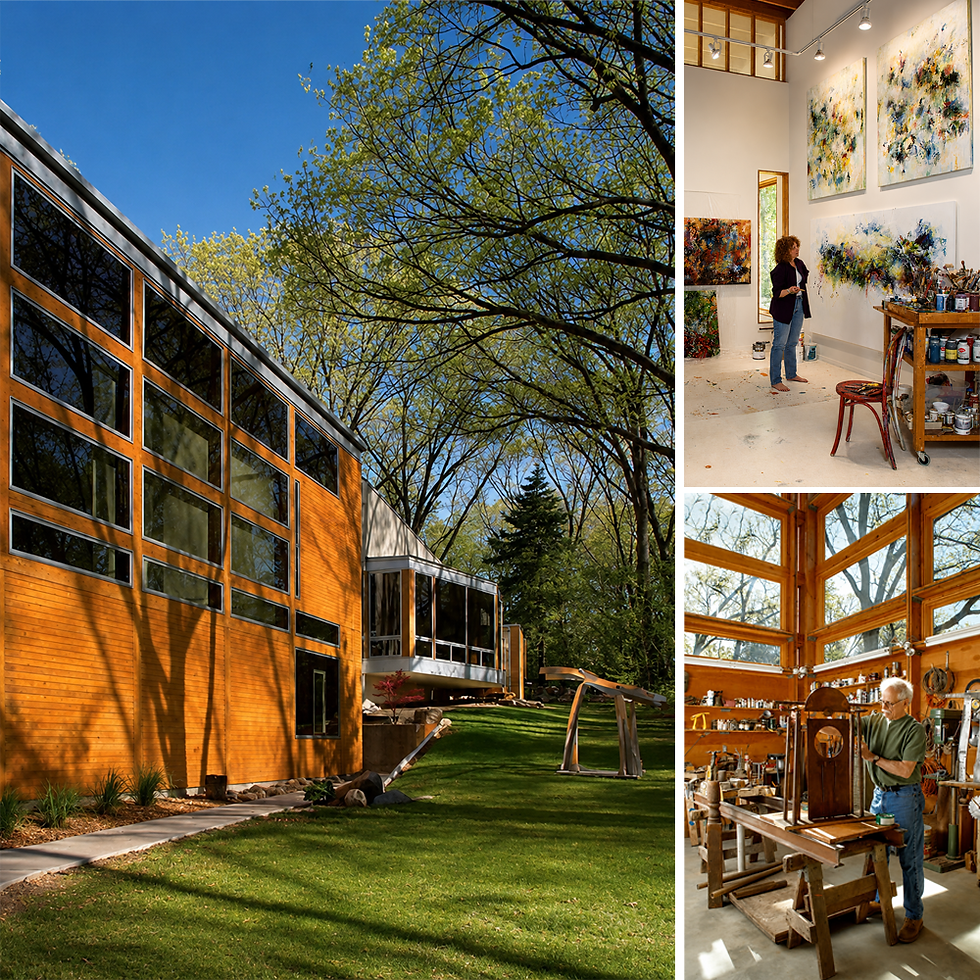
Their compliment meant so much not because they admired the architecture, but because they recognized themselves within it. The building had become a framework for their lives rather than a monument to mine.
The Next House competition brought me back to that lesson. Working within 1,500 square feet forced every decision to earn its place. One example: eliminating traditional hallways in favor of a central hub that could become whatever life required, whether a library, homework space, play area, or gathering place. Unlike a hallway, the hub participates in daily life. It earns its place.
The goal wasn't efficiency for its own sake. The goal was creating more life from less space.
Over the years, I've become convinced that we've become experts at measuring houses and novices at measuring homes. People rarely remember the square footage. They remember the reading corner, morning light across the kitchen table, the feeling of peace when they walk through the front door. Those are the returns that shape a life.
The competition began with a question about square footage. It ended by reminding me that architecture begins somewhere much deeper: not with sketching, not with a style, not even with a building. It begins by asking what kind of life a place can support and what kind of person that place might help us become.
At regenr8 studio, I've come to think of that as regenerative living: a home that gives back more than it consumes, not only through energy or materials, but through wellbeing, belonging, adaptability, memory, and its relationship to the land it occupies.
Because ultimately, home isn't simply where life happens.
It is the place that gives us the freedom to become who we are.
It is the relationship that shapes how life unfolds.
Bryan Koehn
Founder, regenr8 studio


Comments